Lantern of the Laughless Saint AI
NerveLabs has said no AI was used to make The Lantern of the Laughless Saint. Critics argue HolyFool36 and some store assets tell a different story. Steam itself has no AI statement. The dispute is unresolved.
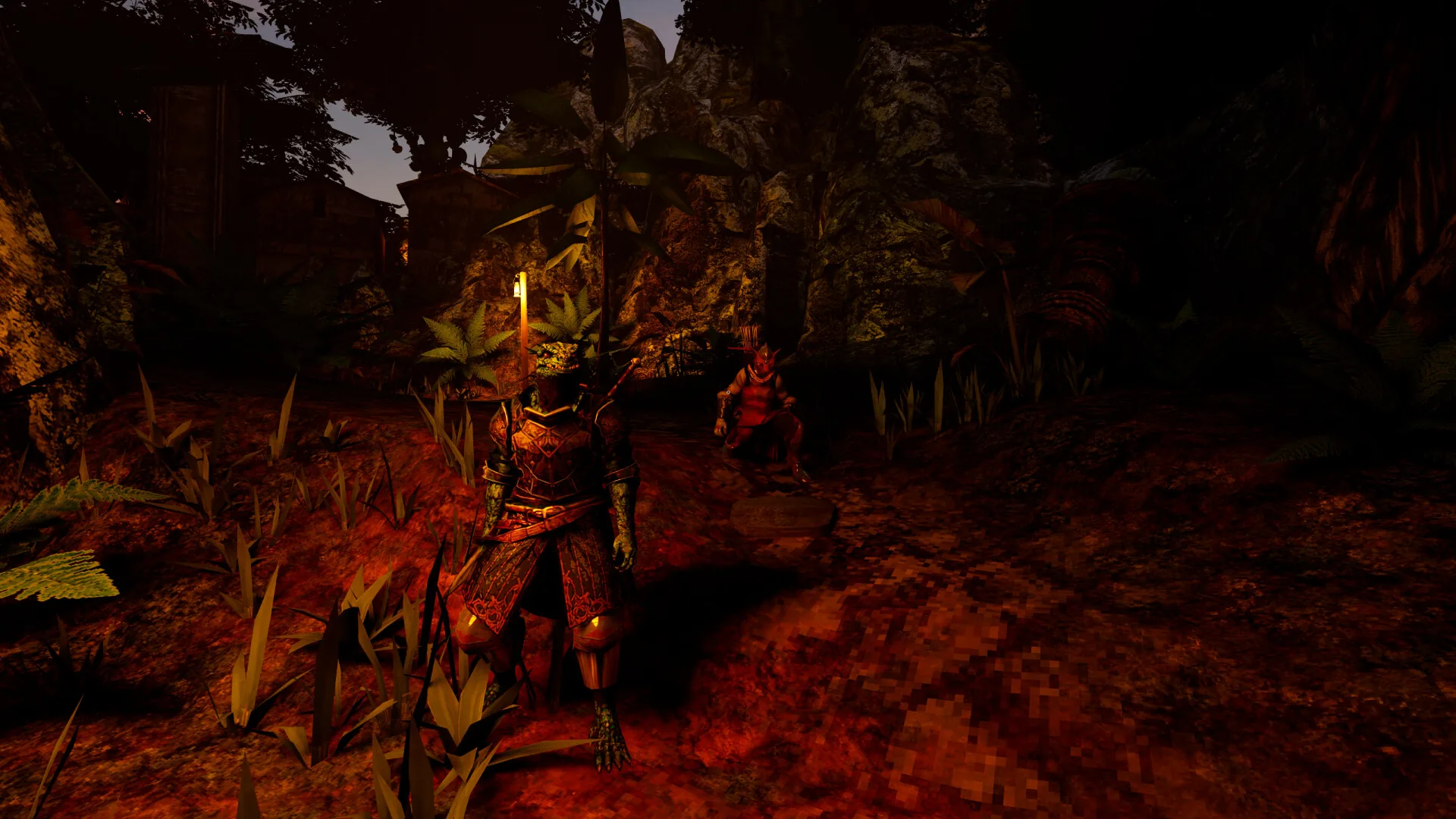
Controversy Origin
The lantern of the laughless saint AI argument did not start on the Steam page. It started on Reddit.
Around April 2026, an r/IndieDev post accused NerveLabs of being the same operation as holyfool36, an Instagram account the poster said had sold AI T-shirts and then AI games. The poster said recent shorts had pinned “no AI” comments, while Steam banners and about text still looked generated.
That post is the primary record. It is a community accusation, not a ruling. The same thread contains the studio reply, which is why this page can show both sides without picking a winner.
A later Facebook page, NexusGamingHQ, was quoted in search results as saying early artwork was created with generative AI and then heavily hand-customized. That sentence was not found on the current Steam page. The Facebook line is third-party. Mark it 待确认.
Developer Response
u/NuclearSnake, posting as the director of NerveLabs, wrote that they do not use AI art. He offered to prove it, said 600 people had played the playtest, and listed hired humans: more than 30 voice actors, a character artist with Heart Machine experience, a lead programmer with 20 years of experience, and a level designer who worked on Xen in Black Mesa.
He said the HolyFool36 page was a marketing hire. In that telling, @holyfool36 used AI for videos, while NerveLabs hired the writer’s non-AI writing for some side quests. He also said he spent about $15,000 a month on real artists.
Those staffing and budget numbers are developer self-report. Mark 600 testers, 30 voice actors, and $15k a month as 待确认.
An Instagram post from @nervelabs_games was captured through a search snippet as saying “AND NO AI” next to the August 17 date. That is official-account language, but the research file only has OCR from a snippet, not a logged-in image read. Treat the exact caption as low-confidence official text.
Community Reaction
The same IndieDev thread is not one-note. One commenter said they bought the game and liked a few hours of co-op. Another called the pile-on a witch hunt. A third said they could not see obvious AI in a low-poly Elder Scrolls-style game.
None of those comments are proof. They are the public weather around the claim.
Steam itself is silent. The current about text and official site do not mention AI at all. That silence cuts both ways. It is not a disclosure, and it is not a confession.
Current Status
As of August 19, 2026, there is no independent audit, no Steam AI disclosure label in the captured store data, and no third-party ruling.
Two conflicts stay open. First, accusers say HolyFool36 and NerveLabs are the same AI pipeline; the studio says HolyFool36 is paid marketing plus some human writing. Second, a Facebook paraphrase of an early AI-art sentence does not match the current Steam about text.
If the early Steam about text really did mention generative AI, that would be a wording change. The historical store version was not archived in this research set. 待确认.
Read this next to the NerveLabs page and the Reddit page. Do not collapse a marketing partnership, a store banner, and a finished game mesh into one word.
FAQ
Did NerveLabs say the game uses AI?
The studio account and the director’s Reddit reply say no. Steam has no AI statement.
Why do people still say it is AI?
Because of HolyFool36, the look of some marketing images, and a Facebook paraphrase of older wording. Those claims are unresolved.
Was HolyFool36 officially involved?
The developer said the page was hired for marketing and some side-quest writing. Accusers say it is the same project. Both statements are on record.
Is there a final ruling?
No. 待确认.